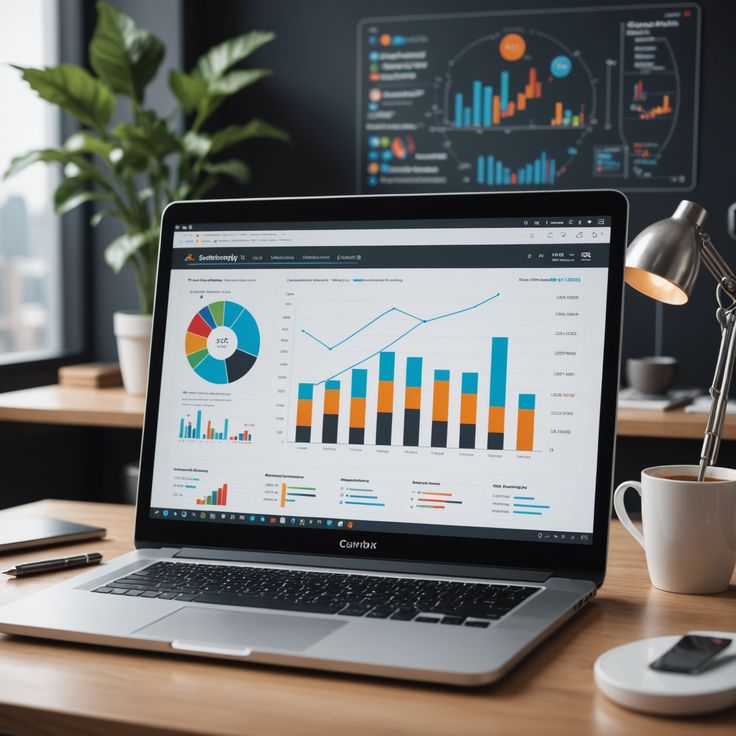
Data Analytics and Reporting in Education
How Do Data Analytics and Reporting Tools in Educational ERP Improve Decision-Making?
In today's data-driven educational landscape, making informed decisions is essential for institutional success. Educational ERP systems empower schools, colleges, and universities with advanced analytics and reporting tools that transform raw data into meaningful insights. By providing real-time visibility into academic, administrative, and financial operations, ERP platforms help institutions make faster, smarter, and more strategic decisions.
Why Data Analytics Matters in Education
Educational institutions generate vast amounts of data every day—from student attendance and academic performance to admissions, finance, and faculty management. Without a centralized system, analyzing this information can be challenging and time-consuming. Educational ERP solutions consolidate data into a single platform, enabling administrators to access accurate information and make evidence-based decisions.
Key Benefits of ERP Analytics and Reporting
1. Data-Driven Decisions
ERP analytics provide reliable insights that help administrators make informed decisions rather than relying on assumptions. Whether planning admissions strategies, improving student outcomes, or managing budgets, data-backed decisions lead to better results.
2. Real-Time Dashboards
Interactive dashboards provide instant access to critical metrics such as enrollment trends, attendance rates, academic performance, fee collection status, and operational efficiency. Decision-makers can monitor institutional performance at a glance and respond quickly to emerging challenges.
3. Performance Monitoring
Educational ERP systems allow institutions to continuously track student, faculty, and departmental performance. Early identification of performance gaps enables timely interventions, helping improve academic outcomes and operational effectiveness.
4. Trend Analysis
By analyzing historical and current data, ERP systems help institutions identify patterns and trends. Administrators can forecast enrollment growth, predict resource requirements, evaluate academic performance trends, and develop long-term strategic plans.
5. Better Resource Utilization
Analytics help optimize the allocation of resources such as classrooms, faculty, budgets, and infrastructure. Institutions can identify inefficiencies, reduce operational costs, and ensure resources are utilized effectively to support educational goals.
Enhancing Institutional Efficiency
Beyond reporting, ERP analytics foster a culture of continuous improvement. Accurate data enables departments to collaborate more effectively, streamline workflows, and enhance accountability across the institution. Real-time reporting also supports compliance requirements and simplifies audits by ensuring data transparency and accuracy.